
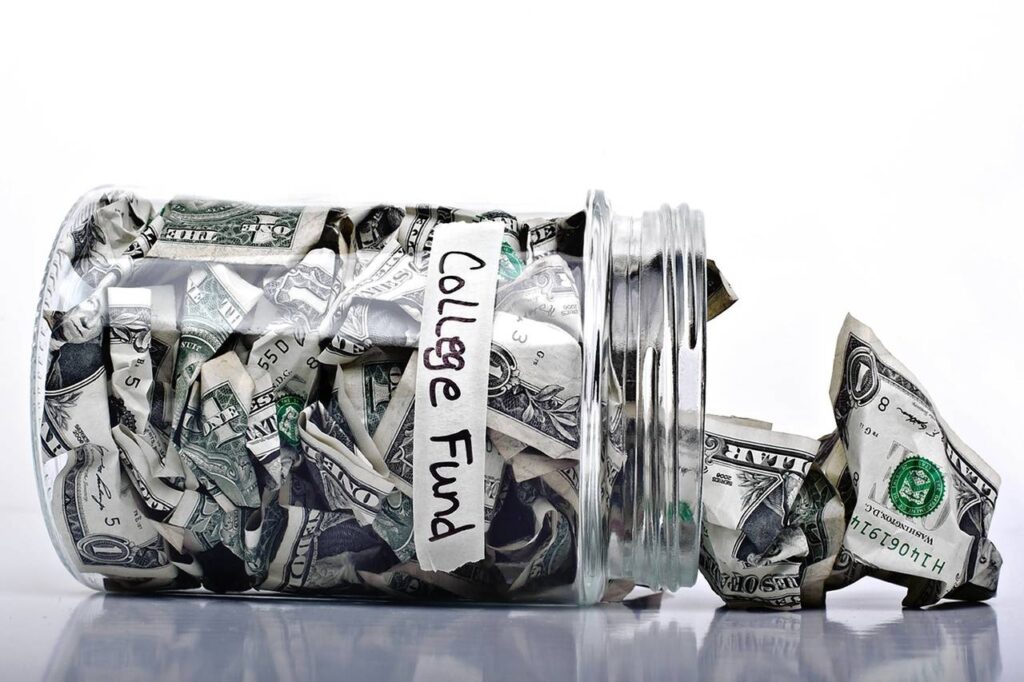
When families first open a College 529 plan, their primary concern is to ensure they will have enough to cover the rising costs of college tuition years down the road. However, after a student has graduated from college, some families find themselves in the opposite situation: they have money left over!
Whether your student received a generous scholarship, chose a more affordable path, or simply didn’t use the full amount, leftover College 529 funds are a great problem to have, and thanks to recent legislative changes like the SECURE Act 2.0, families now have more flexibility than ever to put those 529 funds to good use without facing heavy taxes or penalties.
Read below to find out what you can do with these leftover funds!
Give Retirement a Head Start (The Roth IRA Rollover)
Starting in 2024, one of the most exciting options for unspent 529 funds is rolling them into a Roth IRA for the beneficiary. This allows you to transition education savings into a powerful retirement tool.
-
The Benefit: You can roll over up to a lifetime limit of $35,000 per beneficiary.
-
The Rules: To qualify, the 529 account must have been open for at least 15 years. Additionally, the rollover is subject to annual Roth IRA contribution limits (e.g., $7,000 in 2025), so moving the full $35,000 will typically take several years.
-
Why it Matters: This removes the fear of overfunding. If your child doesn’t need the money for school, you can help them jumpstart their financial future.
Pay Down Student Loans
If your student (or even their sibling) graduated with some student debt, you can use College 529 funds to pay it off.
-
The Limit: You can use a lifetime maximum of $10,000 per individual to pay down qualified student loan principal and interest.
-
The Bonus: This $10,000 limit applies to the beneficiary and each of their siblings, offering a flexible way to help multiple children find their footing after college.
Change the Beneficiary
A classic way to use leftover College 529 funds is simply keeping the money in the family. 529 plans allow you to change the beneficiary to another family member without incurring taxes or penalties.
-
Who Qualifies? This includes siblings, cousins, nieces, nephews, and even yourself.
-
Generational Wealth: You can even let the funds sit and grow for a future grandchild, essentially starting their college fund before they are even born.
Continue Education
There is no “use it or lose it” date for 529 plans. If the beneficiary decides to pursue a graduate degree, a professional certification, or even a trade school later in life, the funds will be there.
-
Continuing Ed: You can change the beneficiary to yourself and use the funds for a career pivot or to take classes at a local community college.
The Scholarship Loophole
If your student didn’t use the 529 funds because they earned a tax-free scholarship, you are in luck.
-
Penalty-Free Withdrawals: You can withdraw an amount equal to the scholarship award from the 529 plan without the usual 10% penalty.
-
Note on Taxes: While the 10% penalty is waived in this case, you will still owe ordinary income tax on the earnings portion of that withdrawal.
Final Thoughts
If you don’t exhaust your College 529 plan on higher education, your funds are not trapped. Whether you choose to boost a retirement account, wipe out student debt, or save for the next generation, these plans offer a variety of escape hatches that reward your diligent saving.
Because many of these options — especially the Roth IRA rollover — have specific timing and income requirements, it is always a good idea to consult with a financial professional to ensure you are maximizing the benefit while staying within IRS guidelines. Your 529 plan did its job for college; now let it work for the rest of your family’s financial journey.
If you have questions about what you should do with your leftover College 529 savings, or any other questions about money for college, please schedule some complimentary time with a Capstone advisor so we can get you answers.