
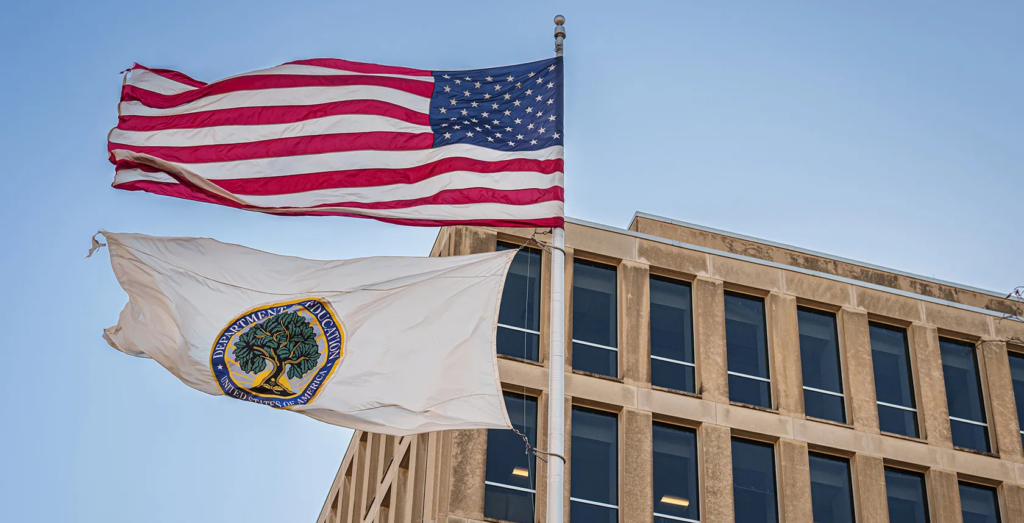
For families with high school seniors, the spring of 2026 is starting to feel like a high-stakes waiting game. Between shifts in federal oversight and changing tuition trends, the “business” of going to college is undergoing a massive transformation. If you are feeling confused by the headlines, you aren’t alone.
Here is a breakdown of what is happening behind the scenes at the Department of Education and what it means for your student’s financial future.
The “Hidden” Delays: Why the FAFSA and Aid Packages Feel Different
While the government has prioritized keeping the FAFSA (Free Application for Federal Student Aid) portal online, the “machinery” behind it is under significant strain. Recent reports from Inside Higher Ed highlight that the U.S. Department of Education is operating with nearly half the staff it had just a year ago.
For families, this translates to several hurdles:
-
Verification Backlogs: If your FAFSA is flagged for “verification” (a routine audit of your tax data), expect the process to take weeks longer than usual. The depleted workforce means fewer officers are available to clear these flags.
-
Stalled Appeals: If your financial situation has changed—due to a job loss or medical emergency—and you need to appeal your aid package, colleges are finding it harder to get the federal guidance they need to process those “professional judgment” cases quickly.
-
Communication Gaps: Financial aid offices at universities are reporting a “responsiveness crisis.” When a college has a technical glitch with a student’s federal record, there are fewer people at the federal level to pick up the phone and fix it.
The Silver Lining: The “Net Price” is Actually Dropping
Despite all of the complications listed above, there is good news: The actual price students pay is trending downward.
According to the latest data from the Brookings Institution, there is a “split” in college pricing:
-
The Sticker Price is a Myth: While the “advertised” tuition at many private and public universities continues to climb, the Net Price—what you actually pay after grants and scholarships—has been declining for over a decade when adjusted for inflation.
-
Significant Wins for Lower and Middle Income Families: Families earning between $40,000 and $100,000 have seen some of the steepest drops in net tuition. Many well-endowed private colleges are using their institutional wealth to offset federal uncertainty, lowering the actual cost for these families by as much as 20–28% over the last few years.
-
Institutional Aid is Stepping Up: Because schools know the federal system is under pressure, many are increasing their own “merit” and “need-based” institutional grants to ensure they hit their enrollment targets.
The Bottom Line for 2026
The “paperwork” side of financial aid is currently messy. You should expect delays, be proactive in following up with financial aid offices, and start your FAFSA as early as humanly possible.
However, don’t let the headlines about government layoffs scare you away from a degree. The data shows that for the average American family, college is actually more “on sale” today than it was ten years ago. The key this year is patience with the process, but optimism about the price.